The Complete Guide to Commercial Flat Roof Maintenance and Repair
Owning or managing a commercial property in Johnson County means dealing with a lot of moving parts, and your building's roof is often the most critical line of defense against the elements. Commercial flat roofs offer excellent space utilization and are highly cost-effective, but they also require a specific approach to maintenance. When you factor in the unpredictability of Hoosier weather, taking a proactive stance on roof care becomes absolutely essential for protecting your business operations, inventory, and employees.
Unlike sloped residential roofs that naturally shed water and debris, flat roofs need regular attention to ensure they are draining properly and remaining watertight. A small oversight can quickly escalate into a major interior leak, potentially halting your business operations and leading to expensive structural damage. This guide will walk you through everything you need to know about maintaining your commercial roof, identifying problems early, and knowing when it is time to call in a professional team.
Recognizing Common Flat Roof Vulnerabilities
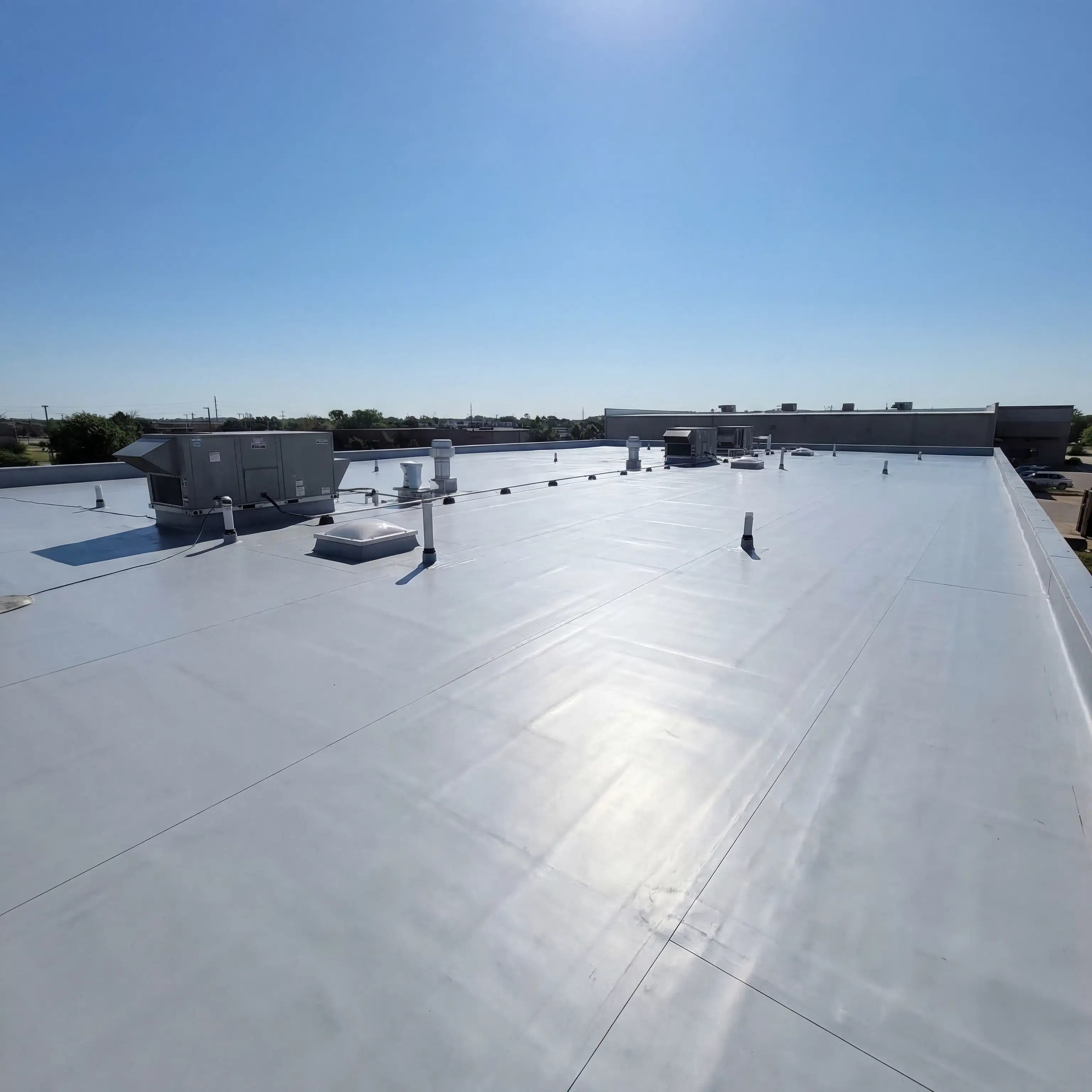
Even the most meticulously installed flat roof will eventually face wear and tear. One of the biggest culprits of early deterioration is ponding water. Because these roofs have only a very slight pitch, heavy rains can leave standing water behind. If water remains on your roof for more than 48 hours, it can begin to break down the roofing membrane, compromise the seams, and add significant weight stress to your building's structure.
Another frequent issue is flashing failure. The flashing is the metal material installed around the edges of the roof and around penetrations like HVAC units, vents, and skylights. Over time, expansion and contraction from temperature changes can cause these metal pieces to pull away, leaving gaps where water can easily enter. Additionally, severe weather events, such as those sudden spring pop-ups that bring heavy winds and hail, can puncture the membrane or tear away edge materials.
If you notice water stains on your ceiling, a sudden spike in your building's energy bills, or visible debris and blistering on the roof surface, it is time to take action. Addressing these issues immediately with professional roof damage repair is the most effective way to extend the lifespan of your roof and avoid the cost of a premature replacement.
The Power of Proactive Routine Maintenance
Many property managers operate under the assumption that if there is no active leak, the roof is perfectly fine. However, waiting for a visible leak is a risky strategy. By the time water makes it through the layers of insulation and decking to stain your ceiling tiles, the internal damage is already done.
Implementing a routine maintenance schedule is the smartest financial decision a building owner can make. Ideally, your roof should be evaluated at least twice a year—once in the spring and once in the fall—and immediately following any severe storm. During a comprehensive roof inspection, professionals look for subtle signs of membrane failure, clear blocked scuppers and drains, and ensure that all rooftop equipment is properly sealed.
Modern roofing technology has revolutionized this process. At Cardinal Roofing & Exteriors, we utilize advanced methods like drone-assisted visual assessments to provide highly accurate evaluations without unnecessarily walking on fragile areas of your roof. This technology not only ensures a more thorough check of hard-to-reach areas but also improves safety by minimizing the risks associated with strict fall protection compliance. Documenting the condition of your roof consistently also makes navigating insurance claims much smoother if storm damage does occur.
Navigating Repair vs. Replacement
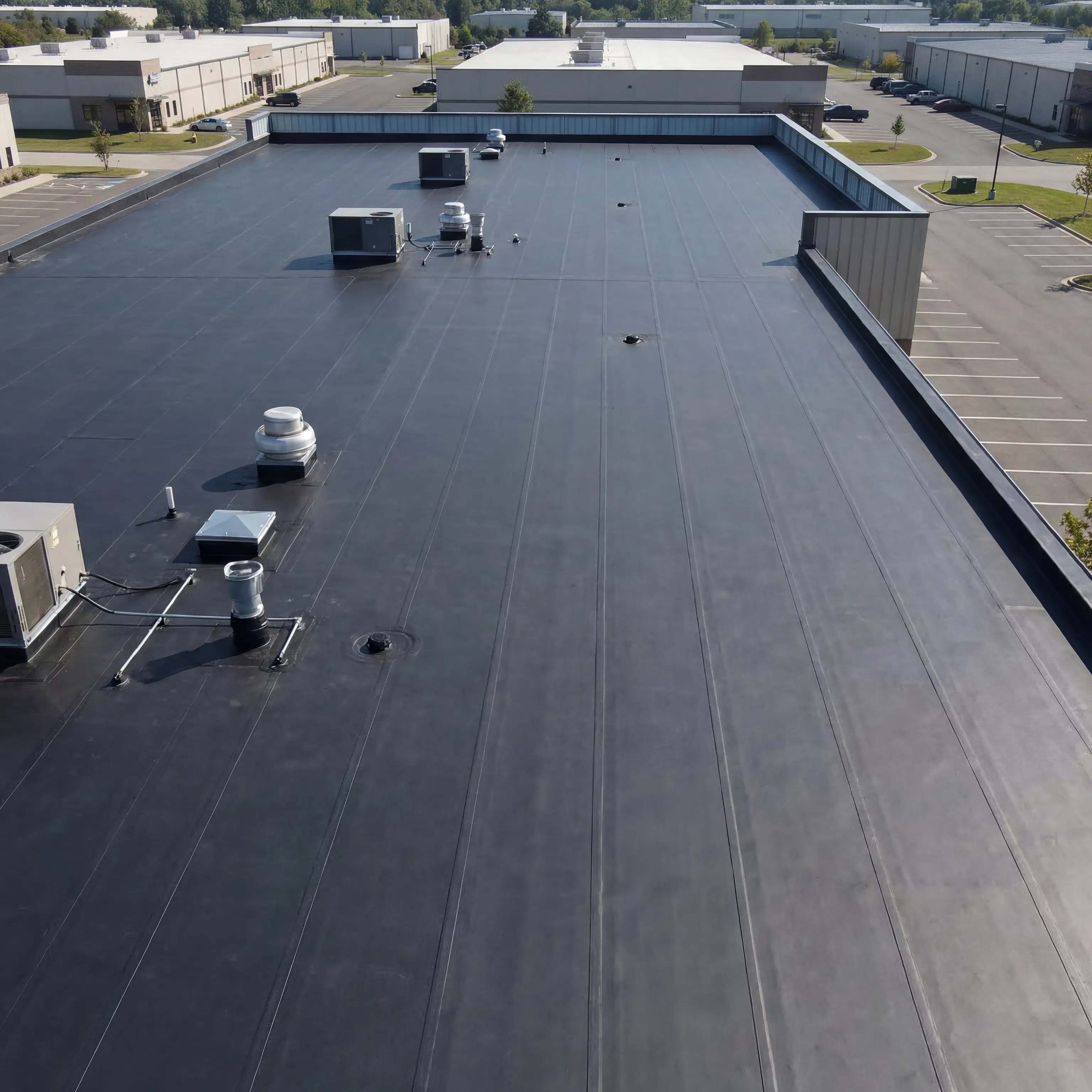
When a problem is discovered, building owners face the inevitable question: should we patch it, or is it time for a full replacement? The answer depends on several factors, including the age of the roof, the extent of the damage, and the type of materials currently in place. Minor punctures, localized blistering, or a single failed flashing seal can usually be repaired quickly and affordably.
However, if your roof is nearing the end of its expected lifespan (typically 20 to 30 years for high-quality commercial materials), or if you are experiencing widespread seam failure and saturated insulation, a replacement will be more cost-effective in the long run. Volatile material costs can make budgeting difficult, which is why working with a transparent contractor who provides detailed, upfront estimates is crucial.
When replacement becomes the best option, it is also an opportunity to upgrade your facility. Modern commercial flat roofing systems, such as white TPO or EPDM membranes, are highly energy-efficient. These cool roofs reflect the sun's UV rays rather than absorbing them, which significantly reduces the strain on your commercial HVAC system during humid summer months, ultimately lowering your utility costs.
Partnering with the Right Local Experts
After a major weather event, it is unfortunately common for out-of-state storm chasers to flood the area, offering quick, cheap fixes. These companies rarely stick around to honor warranties, leaving commercial property owners stranded when the patch fails a few months later. To protect your investment, whether your property is near Courthouse Square or in a surrounding industrial park, you need a contractor with deep roots in the community and a physical presence you can rely on.
Properly managing a commercial roof requires specialized knowledge, strict adherence to local building permits, and a commitment to quality craftsmanship. You need a team that understands local building codes, values clear communication, and treats your property with respect.
If you have concerns about the condition of your commercial building, or if it has been more than a year since your last professional checkup, do not wait for the next major storm to find out if your roof can hold up. Contact Cardinal Roofing & Exteriors today to schedule a comprehensive evaluation. As the trusted choice for The Southside, we are here to provide honest advice, reliable maintenance, and superior workmanship to keep your business fully protected.