
Roofing Warranties Explained: Workmanship Versus Materials
Getting a new roof is one of the most significant investments you will make in your home. For many families here in Franklin and throughout the Hoosier state, the process can feel a bit overwhelming. It is completely normal for homeowners to feel skeptical when hiring a contractor, especially with the prevalence of "storm chasers" who pop up after severe weather and offer deals that seem too good to be true. When you are evaluating different estimates and trying to determine your expected roofing cost, one of the most critical factors to consider is the warranty.
However, warranties can be incredibly confusing. When reviewing a contract, you will likely see different terms thrown around, leaving you wondering about the difference between a roof manufacturer warranty vs workmanship warranty. Understanding exactly what protects your home—and for how long—is the key to making a confident decision and ensuring your investment is secure for decades to come. Let's break down exactly what these warranties mean, what they cover, and why both are absolutely essential for your peace of mind.
What is a Manufacturer Warranty?
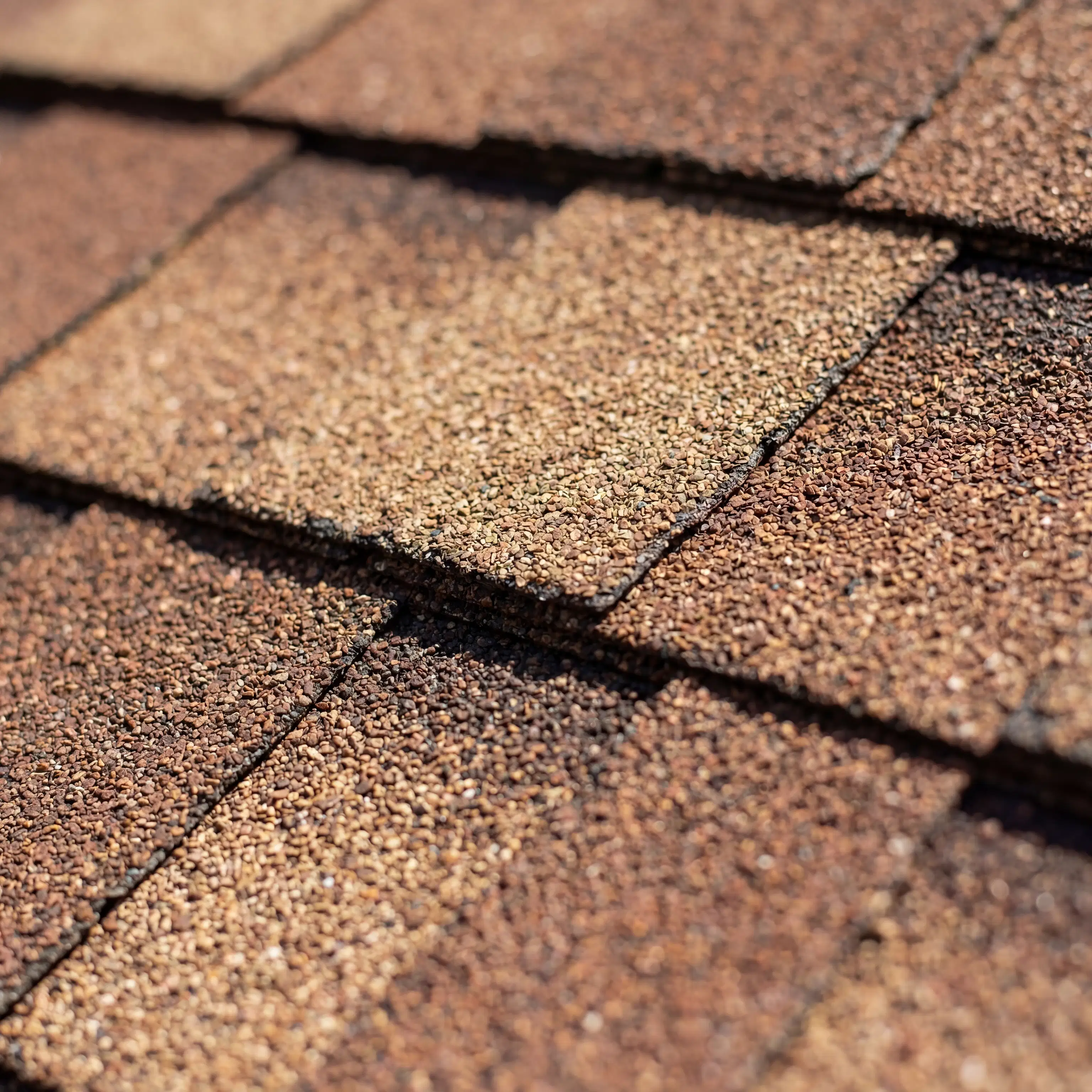
A manufacturer warranty is provided by the company that actually produces the roofing materials, such as GAF or Owens Corning. This warranty guarantees that the physical products—the shingles, underlayment, and flashing—are free from factory defects. If your shingles begin to prematurely curl, crack, or lose their granules due to a manufacturing error, this warranty covers the cost of replacement materials.
Many homeowners ask, how long is a typical roof expected to last based on the material used? While a high-quality asphalt shingle roof can last 20 to 30 years, and a metal roof even longer, this lifespan heavily depends on the materials being free of defects. Manufacturer warranties typically range from 20 years to a lifetime, depending on the specific product line you choose. However, it is vital to understand that a manufacturer warranty almost never covers the labor required to remove the defective shingles and install the new ones unless you purchase a specific extended warranty package. Furthermore, these material warranties are strictly tied to the product itself, not how it was put on your house.
What is a Workmanship Warranty?
This brings us to the second half of the equation: the workmanship warranty. While the manufacturer guarantees the product, the contractor guarantees the installation. A workmanship warranty is provided directly by the company installing your roof. It protects you against installation errors, which are actually the most common cause of early roof failure and leaks.
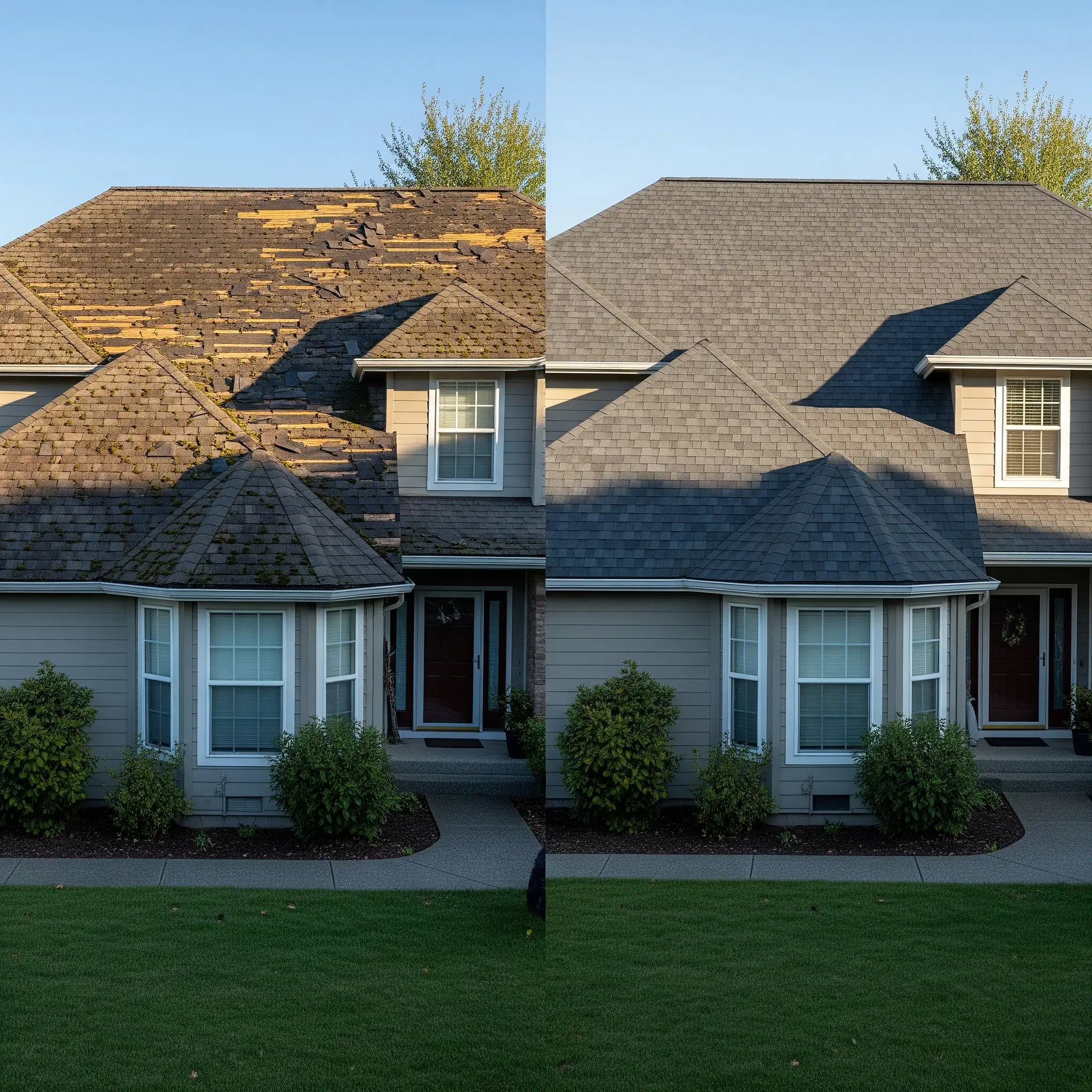
Even the most expensive, top-tier roofing materials will fail if they are not installed correctly. Reliable roofing companies take immense pride in their craft and will offer robust workmanship warranties to back up their labor. This means if a leak develops because a piece of flashing was improperly sealed, or a shingle was nailed too high, the contractor will return to fix the issue at no additional cost to you.
When evaluating quotes for roofing services, there are several vital questions to ask about roof replacement warranties. Always ask your contractor: How long does your workmanship warranty last? Does it cover just the repairs, or also any interior damage caused by the leak? Will this warranty still be valid if your company changes ownership? A trustworthy contractor will be completely transparent and happy to provide these details in writing.
Protecting Your Warranty and Your Home
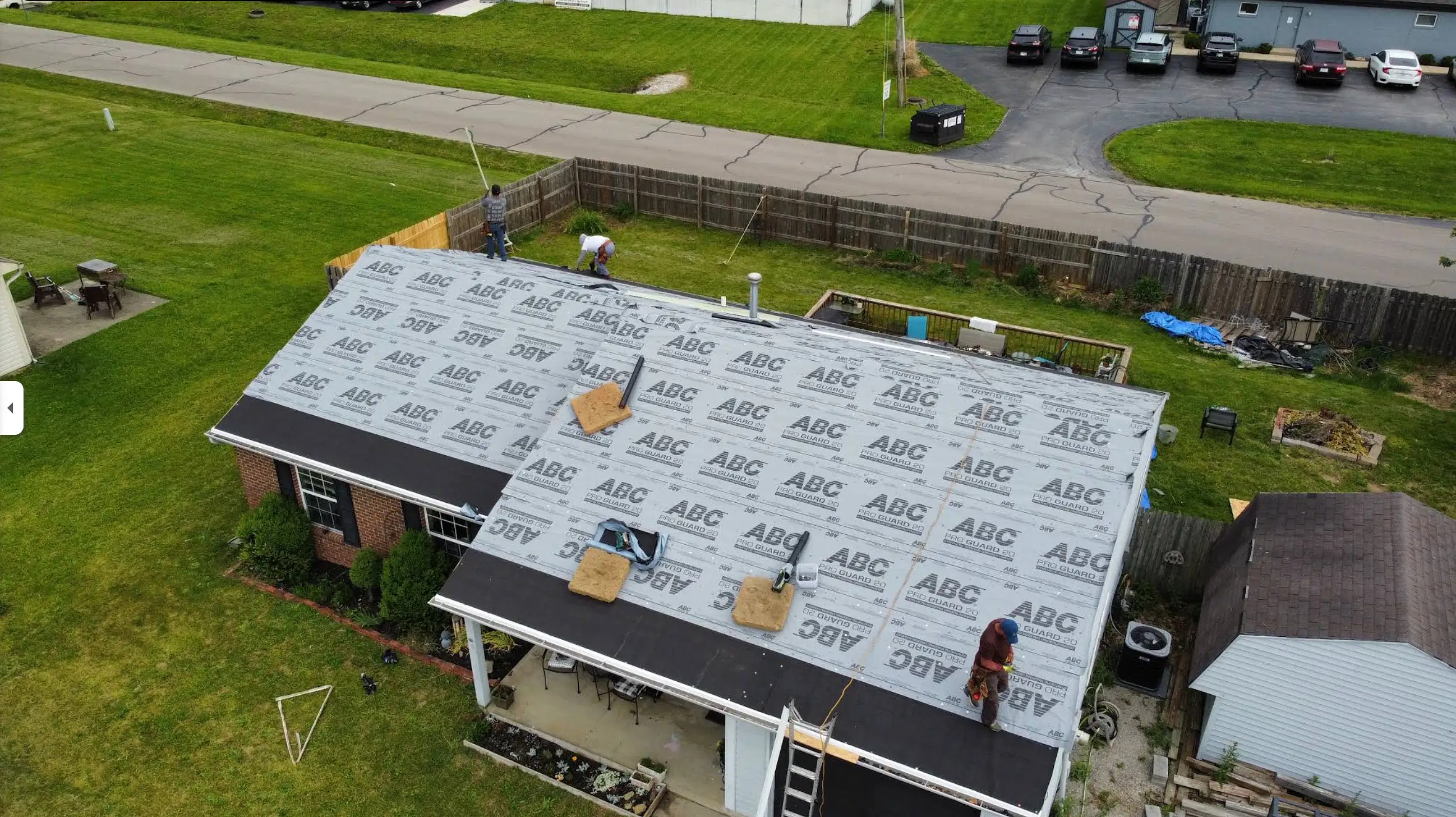
One of the most important things a homeowner needs to know is what voids a roofing manufacturer warranty. The most common culprit is improper installation. If your contractor cuts corners, fails to use the manufacturer's specific starter shingles, or improperly nails the materials, the manufacturer will instantly void your material warranty.
Another major factor is poor attic ventilation. Without proper airflow, extreme heat and moisture build up in your attic, essentially cooking your shingles from the inside out and drastically shortening their lifespan. Additionally, if you are wondering if it is safe or legal to install a new roof over an existing layer of shingles, you should know that "layering" almost always voids the manufacturer warranty of the new shingles because it prevents them from sealing properly and traps heat.
At Cardinal Roofing & Exteriors, we understand that paying for a new roof—and dealing with insurance claim payouts—can be stressful. That is why we focus on transparent pricing, flexible financing options, and impeccable installation standards that protect both your manufacturer and workmanship warranties. If you live in the Indy area and are ready for a reliable, long-lasting roof replacement, reach out to our team today for a detailed, accurate estimate.