
Preventing and Fixing Ponding Water on Your Commercial Flat Roof
If you own or manage a business in the Hoosier state, you know that our weather can be incredibly unpredictable. From sudden torrential spring downpours to heavy winter snowfalls, your commercial property has to withstand a lot of moisture. For businesses with flat roofing systems, this constant barrage of precipitation introduces a unique set of challenges. One of the most common and potentially destructive issues property managers face is ponding water.
Ponding water is typically defined as any water that remains on a roof for more than 48 hours after a rain event. While flat roofs are designed with a slight pitch to encourage runoff, various factors can disrupt this flow, leaving standing water behind. Over time, this water can break down roofing materials, void warranties, and eventually lead to severe structural damage or leaks inside your building. Not to mention, fluctuating material costs and supply chain delays mean that putting off major structural fixes can strain a business's cash flow more today than ever before.
At Cardinal Roofing & Exteriors, we understand how important it is to protect your commercial investment. Whether you are dealing with a minor puddle or a significant structural issue, taking proactive steps to maintain your roof will save you time, money, and stress down the road.
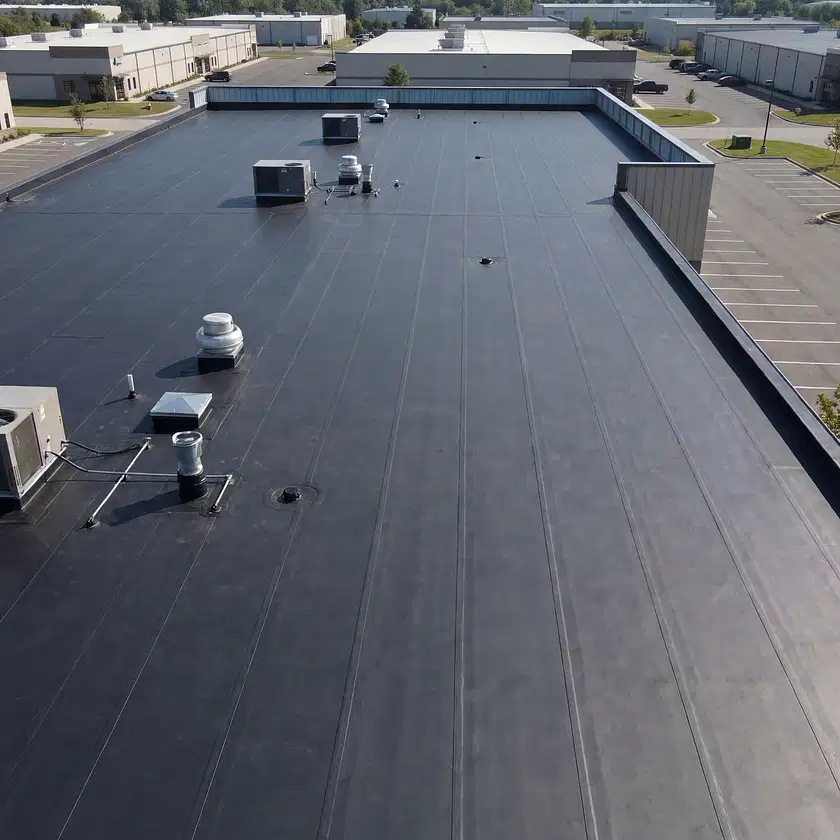
Understanding the Causes of Ponding Water on Commercial Roofs
When assessing the health of your building, understanding the causes of ponding water on commercial roofs is an essential first step. Identifying the root of the problem allows you to address the underlying issue rather than just treating the symptom.
One of the most frequent culprits is structural settling. Over time, the foundation of a building can shift slightly, which alters the original slope of the roof. Even a fraction of an inch of settling can create low spots where water naturally gathers. Additionally, heavy rooftop equipment, such as HVAC units, can compress the insulation beneath the roofing membrane, creating a depression that acts like a bowl for rainwater.
Another major cause is poor initial design or improper installation. If the roof was not installed with the correct pitch, or if the drains were placed at a slightly higher elevation than the rest of the roof surface, water will inevitably pool. We often see this when out-of-state contractors rush through a job without considering the specific demands of our regional climate.
Finally, the most preventable cause is simply clogged drainage systems. Leaves, branches, dirt, and other debris can easily accumulate around drains, scuppers, and gutters. When the water has nowhere to go, it backs up onto the roof. Regular maintenance is crucial to ensuring your drainage pathways remain clear.
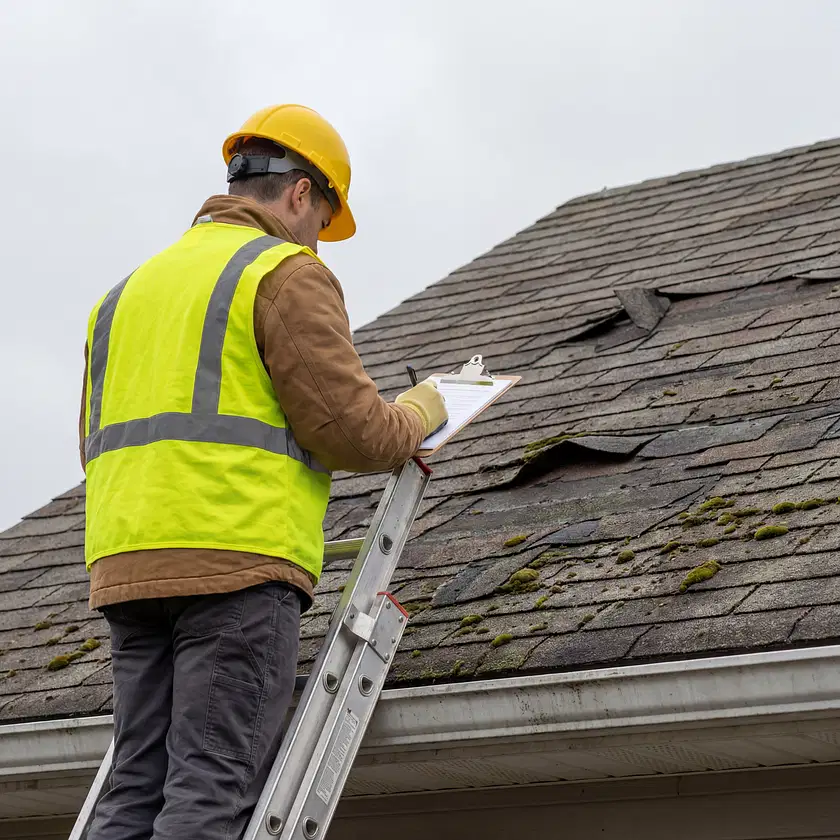
Flat Roof Drainage Solutions for Standing Water
If you are dealing with a compromised system, there are several highly effective flat roof drainage solutions for standing water. The right approach depends on the severity of the ponding and the overall condition of your roof.
For localized low spots, roof leveling compounds can be applied to fill in the depressions and restore a smooth, pitched surface. This is a targeted approach that works well for small areas of compression. If the pooling is more widespread, installing tapered insulation is often the best long-term solution. Tapered insulation is specifically cut to create a slope on an otherwise flat deck, forcefully directing water toward the designated drains.
Another excellent solution is the installation of roof crickets. Crickets are rigid, diamond-shaped structures placed behind obstacles like chimneys or large HVAC units. They divert water around these obstacles, preventing it from pooling in the natural choke points.
In some cases, the existing drainage system simply cannot handle the volume of water our heavy storms produce. Adding supplemental drains or widening existing scuppers can dramatically improve water flow. If you are considering upgrading your system, exploring our commercial and flat roofing options can give you a better idea of how modern materials and proper design can permanently eliminate standing water.
How to Fix Standing Water on a Flat Roof Before It's Too Late
Many property managers wonder how to fix standing water on flat roof systems without having to completely tear off the existing structure. The good news is that if you catch the problem early, extensive replacements can often be avoided.
The first step is always a thorough inspection. Modern technology, such as drone inspections and infrared scanning, allows professionals to see exactly where water is pooling and whether moisture has already penetrated the roofing membrane. If the membrane is still intact and the insulation hasn't been compromised, clearing debris and minor slope adjustments might be all that is needed.
However, if the ponding water has been present for a long time, it may have caused the seams of the membrane to fail. In this scenario, prompt professional intervention is required to prevent water from entering the building's interior. Addressing these issues immediately with professional roof repair services ensures that a small leak doesn't turn into a massive structural failure.
Don't let standing water shorten the lifespan of your commercial property. If you are noticing persistent puddles on your roof in the greater Indy or Franklin areas, it is time to bring in a local expert you can trust. Contact Cardinal Roofing & Exteriors today to schedule a comprehensive roof inspection and protect your business from unnecessary water damage.