Hidden Signs of Moisture Behind Siding
When you live in a place known for unpredictable seasonal shifts, your home's exterior takes a beating year-round. From the heavy spring rains to the freezing ice and snow of winter, Hoosier weather constantly tests the limits of your home's defenses. While most homeowners are vigilant about checking their roofs for missing shingles or storm damage, the vertical surfaces of a home are frequently overlooked. Your siding is designed to shed water and protect the structural integrity of your walls, but what happens when water finds a way past that first line of defense? Here in Morgantown and the surrounding communities, one of the most common issues we see is water infiltration that goes completely unnoticed until significant damage has already occurred. Because the exterior cladding often still looks perfectly fine from the driveway, homeowners are shocked to discover hidden structural issues hiding just out of sight. Understanding how water breaches your exterior and knowing the early signs of moisture damage behind siding can save you thousands of dollars in extensive structural repairs. In this guide, the team at Cardinal Roofing & Exteriors will walk you through exactly what to look for, how water gets trapped in the first place, and what steps you can take to protect your biggest investment.

How Does Moisture Get Trapped in the First Place?
Your home's siding is not completely waterproof; rather, it is designed as a water-shedding system. Whether you have vinyl, fiber cement, or wood cladding, these materials work in tandem with a weather-resistant barrier, often called house wrap, installed underneath. When everything is functioning properly, water hits the exterior, runs down the surface, and is directed safely away from the wood framing of your home. However, this system can fail for several reasons. Severe storms with driving winds can force rain upward and under the panels. Over time, the protective caulking around your windows, doors, and utility penetrations can dry out, shrink, and crack, creating a direct pathway for water. Additionally, poor installation practices by inexperienced contractors or storm chasers, a common pain point for homeowners looking for reliable exterior work, can leave vulnerable areas exposed. If the house wrap was torn during installation or the panels were nailed too tightly, the system loses its ability to breathe and properly drain. Once water gets behind the cladding and breaches the weather barrier, it struggles to evaporate. This trapped moisture slowly saturates the oriented strand board or plywood sheathing underneath, creating the perfect dark, damp environment for structural decay.
Tell-Tale Signs of Hidden Water Damage
Because you cannot see through your walls, you have to play detective. Catching these warning signs early is crucial for preventing dry rot underneath vinyl siding or other exterior materials. The first thing to look for is warping, buckling, or wavy panels. If your exterior walls look wavy when you look down the side of your house, it is a major red flag. While slight expansion and contraction are normal during temperature fluctuations, severe buckling often means the wood sheathing underneath has absorbed water and swollen, pushing the cladding outward. Surprisingly, one of the most obvious signs of exterior moisture damage appears inside your house. If water is soaking into your exterior walls, the moisture will eventually try to escape into the interior climate-controlled environment. This often causes interior drywall paint to bubble, peel, or flake off. If you notice unexplained peeling paint on an exterior-facing wall, the culprit is likely on the outside. Another physical check you can perform involves feeling for soft spots. Press firmly on the siding in the suspected area. The wall behind it should feel completely solid. If the panels push in easily or the wall feels spongy, the structural wood beneath has likely succumbed to rot and lost its integrity.
Repair or Replace? Making the Right Call
One of the most common questions we receive from homeowners is how to tell if siding needs replacing or if a simple repair will suffice. The answer depends heavily on the extent of the water infiltration and the age of your current materials. If the damage is localized to a small area, such as a single piece of flashing that failed beneath a window, a targeted repair might be completely viable. A skilled professional can carefully remove the affected panels, replace the rotted sheathing, apply new weather-resistant barrier tape, and reinstall the exterior cladding. We always aim to provide transparent, detailed, and accurate pricing estimates so you know exactly what options make the most financial sense. However, if the moisture infiltration is widespread due to aged materials, catastrophic storm damage, or a total failure of the original installation, a full replacement is often the safest and most cost-effective long-term solution. Leaving widespread moisture unaddressed can lead to toxic mold entering your living space and massive structural framing failures that cost tens of thousands of dollars to fix. Upgrading your home's exterior provides an opportunity to utilize modern materials that offer superior moisture resistance, better wind ratings, and enhanced curb appeal. When it comes time to upgrade, exploring professional siding installation and replacement ensures the job is done right with strong manufacturer and workmanship warranties you can trust.
Don't Wait for the Damage to Spread
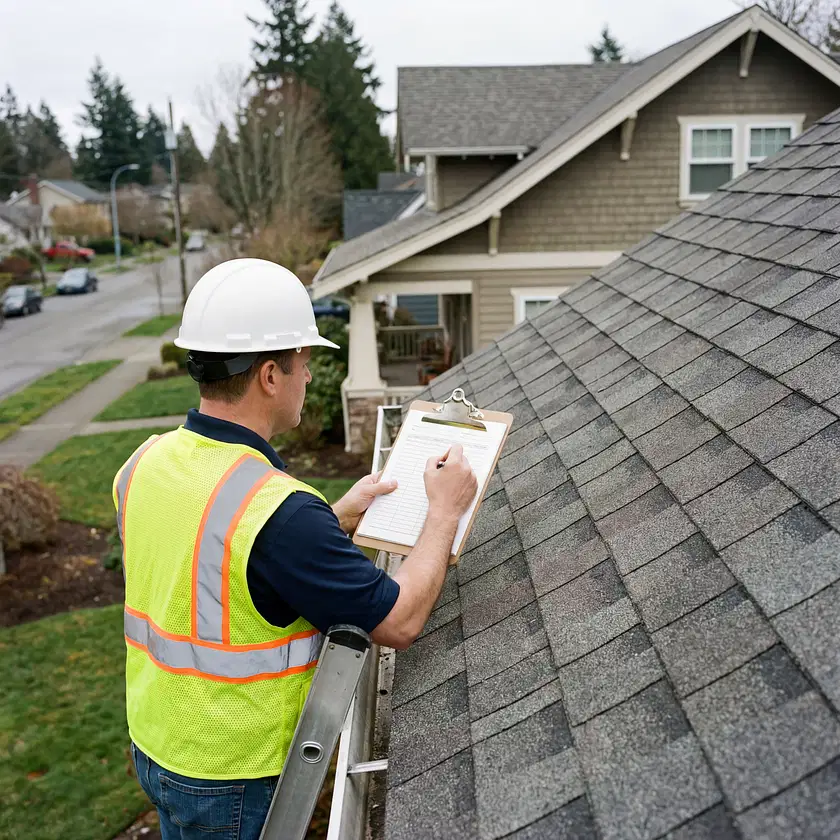
Your home is meant to be a safe, dry haven for your family. Ignoring the subtle hints of water damage will only lead to more complex and expensive structural issues down the road. Because so much of the damage happens out of sight, having an experienced, licensed, and fully insured local contractor perform a comprehensive exterior inspection is the best way to protect your peace of mind. At Cardinal Roofing & Exteriors, we pride ourselves on delivering honest assessments and exceptional craftsmanship to our neighbors across the Indy area. We understand that hiring a contractor requires a tremendous amount of trust, which is why we prioritize clear communication, professional customer service, and reliable warranties on both materials and workmanship. Whether you are dealing with storm damage, need a minor exterior repair, or are ready for a complete transformation, we are here to help. Reach out to our team today to contact us and schedule a thorough evaluation of your home's exterior defenses. Let's make sure your home is ready for whatever the changing seasons bring.