
Essential Signs of Soffit and Fascia Damage
When evaluating the exterior of your home, it is easy to focus entirely on the prominent features like the siding, the windows, or the vast expanse of shingles overhead. Homeowners often ask us how to tell if their roof needs replacing, generally looking for missing shingles or obvious leaks. However, some of the most critical components of your roofing system are tucked right beneath the edge of your roofline: the soffit and fascia.
As a Hoosier homeowner, you know that our weather can be incredibly demanding. From intense summer humidity to freezing winter storms sweeping down through the region, your home's exterior takes a beating. In areas like Franklin, where established neighborhoods feature beautiful mature trees, keeping your roofline healthy is essential to protecting your investment.
Ignoring the early warning indicators of roofline deterioration can lead to significant structural issues and unexpected roofing cost increases. Understanding what soffit and fascia do, and knowing exactly what to look for when they start to fail, can save you a tremendous amount of stress and money in the long run. Let's explore the essential signs that these vital components need your attention.
The Anatomy of Your Roofline: What Are Soffit and Fascia?
Before diving into the signs of damage, it helps to understand exactly what these components are and why they matter so much to the overall health of your home.
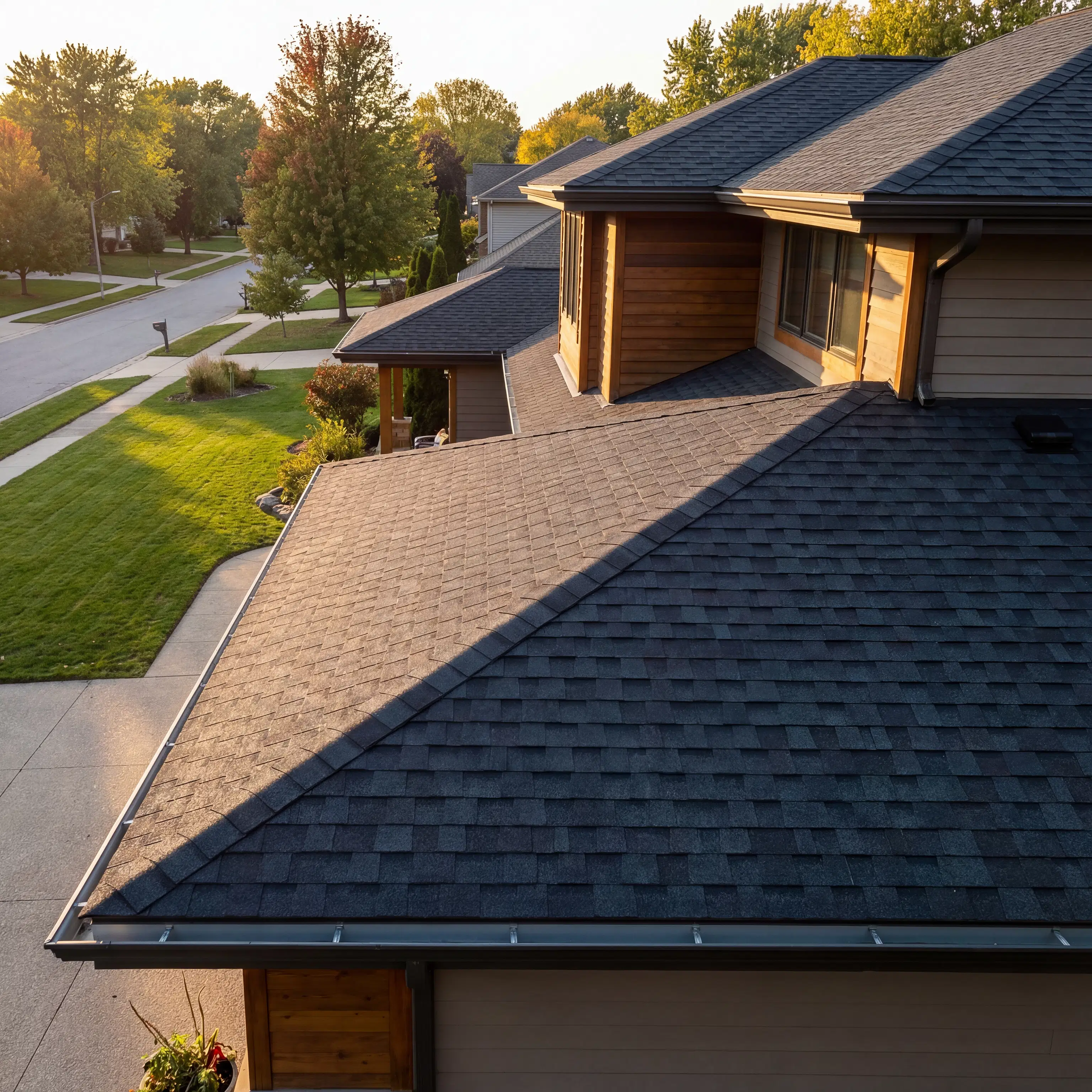
The fascia is the long, straight board that runs horizontally along the lower edge of the roof. It is essentially the trim that covers the exposed ends of your roof rafters. Your gutters are typically mounted directly onto the fascia board. Because it faces outward, the fascia is your home's first line of defense against driving rain and heavy winds.
The soffit is the exposed material situated underneath the overhang of your roof. If you stand close to your exterior walls and look straight up, the surface you see is the soffit. This component is crucial because it generally features small vents that allow air to flow into your roof space.
A common issue we see with local roofing projects is a lack of understanding regarding how damaged soffits affect attic ventilation. When soffit vents become clogged with debris, painted over, or warped from moisture, they restrict the flow of fresh air into your attic. Without proper airflow, heat and moisture become trapped. During the humid summer months around Indy, this trapped moisture can literally bake your shingles from the inside out, dramatically shortening your roof's lifespan and spiking your cooling bills. In the winter, poor ventilation leads to condensation and the formation of dangerous ice dams.
Key Signs of Rotting Roof Fascia Boards
Because fascia boards bear the brunt of heavy rainfall and support the weight of your gutter system, they are highly susceptible to moisture damage. Catching this early is the key to affordable roofing maintenance. Here are the primary signs of rotting roof fascia boards you should watch for:
Peeling or Blistering Paint One of the earliest visual cues that water has breached your fascia board is peeling, flaking, or blistering paint. When water infiltrates the wood, it causes the material to swell, which pushes the paint outward and breaks its seal. If you notice the paint along your roofline looking rugged or uneven, it is time for a closer inspection.
Discoloration and Water Stains Keep an eye out for dark streaks, yellowing, or obvious water stains along the boards. These blemishes often indicate that water is flowing behind your gutters rather than through them, consistently soaking the wood.
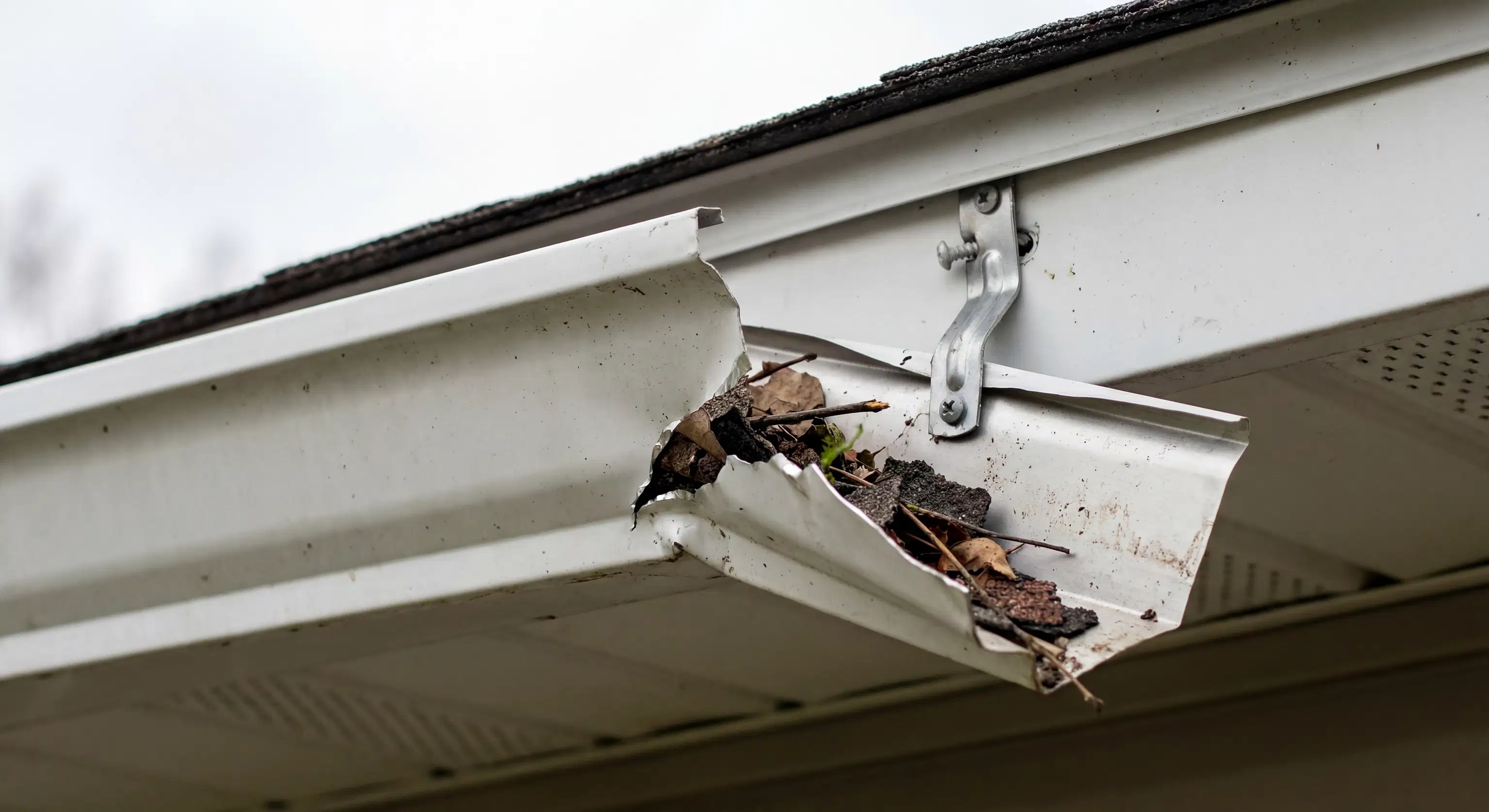
Sagging or Pulling Gutters Fascia boards are responsible for holding your heavy, water-filled gutters in place. If the wood begins to rot, it loses its structural integrity and can no longer support the weight. If you notice your gutters tilting, sagging, or pulling away from the house, rotten fascia is likely the culprit. To prevent this, pairing healthy fascia with Seamless Gutters & Gutter Guards ensures water is properly diverted away from the vulnerable wood.
Pest Intrusions Soft, rotting wood is an open invitation for pests. Squirrels, birds, and insects look for compromised areas along the roofline to chew through and build nests. If you hear scratching in your attic or notice wasp nests frequently appearing near your eaves, check your fascia and soffit for localized rot.
The Process of Repairing Soffit and Fascia Water Damage
When homeowners spot these warning signs, their next immediate concern is usually the scope of the repair. Repairing soffit and fascia water damage is a precise process that requires professional attention to ensure the underlying rafters haven't also been compromised.
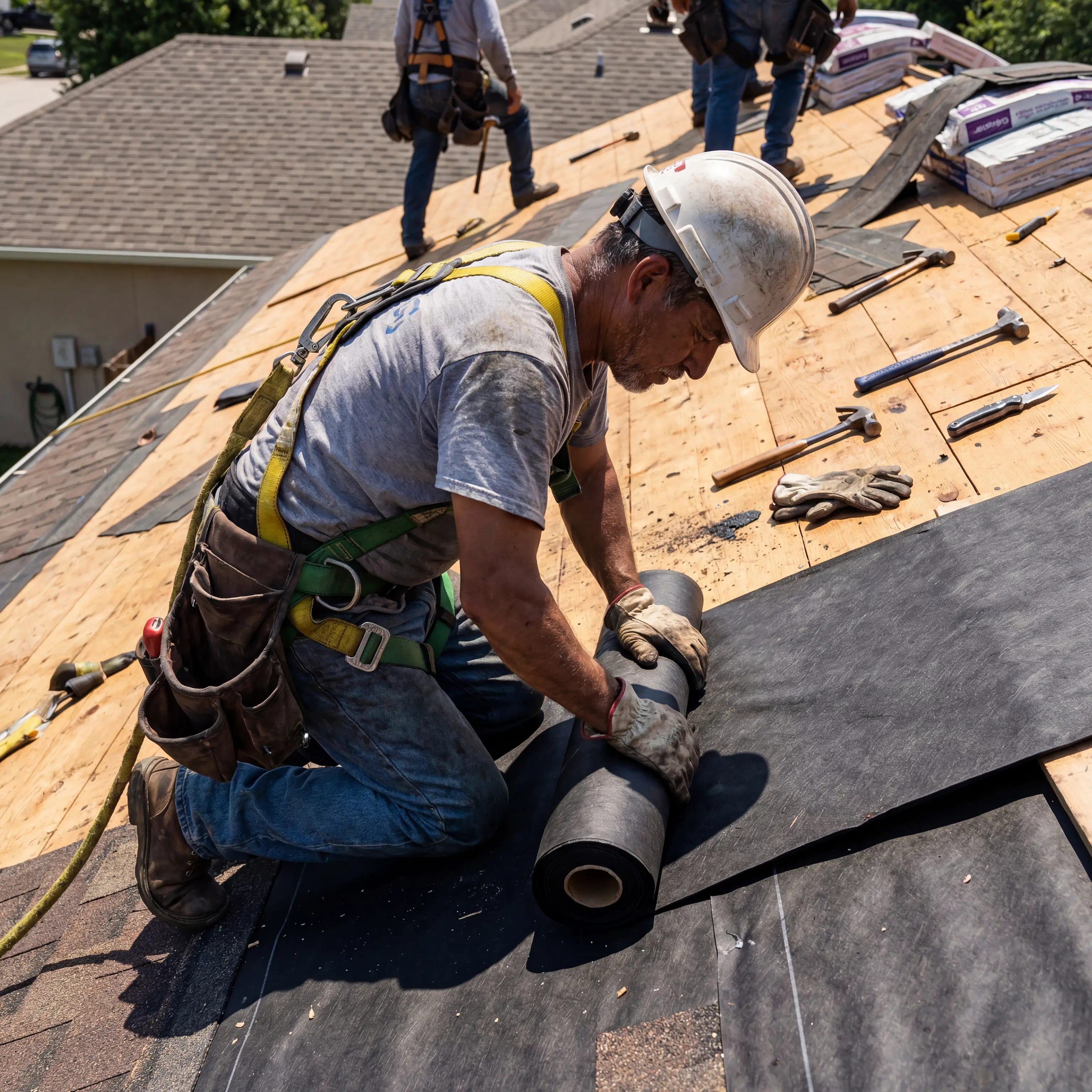
First, a reliable contractor will perform a thorough assessment. At Cardinal Roofing & Exteriors, we believe in providing transparent, detailed, and accurate pricing estimates so you know exactly what you are dealing with. If the damage is localized, the roofer will carefully remove the gutters in that section, extract the rotted wood, and inspect the rafter tails for any signs of spreading decay.
Once the damaged area is cleared, new, high-quality materials are measured, cut, and installed. Many homeowners today are opting to upgrade from traditional wood to more durable composite or aluminum materials that resist rot and require far less maintenance. After the new boards are secured, sealed, and painted to match your home's aesthetic, the gutters are properly re-pitched and reattached.
Addressing these issues promptly prevents moisture from creeping further into your roofing deck or attic space, effectively saving you from a much larger, emergency roofing situation down the line.
Protecting Your Home's Roofline
Your roofline does much more than just provide a finished look to your home; it actively protects your attic from severe weather, manages critical ventilation, and supports your entire drainage system. By staying vigilant and checking for peeling paint, sagging gutters, and poor attic airflow, you can address minor exterior issues long before they evolve into major structural problems.
If you suspect that your home is suffering from water intrusion or you have noticed signs of decay along your roof edges, don't wait for the next major storm to test its limits. Relying on a highly rated, locally trusted team ensures the job is done right the first time, using quality materials built for our climate.
Ready to ensure your roofline is fully protected? The team at Cardinal Roofing & Exteriors is proud to serve Morgantown and the surrounding communities with exceptional craftsmanship. Explore our dedicated Soffit & Fascia Repair & Replacement services today, or reach out to us for a transparent, no-obligation inspection.